
Retaining Wall Design & Installation
Strong, beautiful retaining walls that prevent erosion and enhance your landscape.
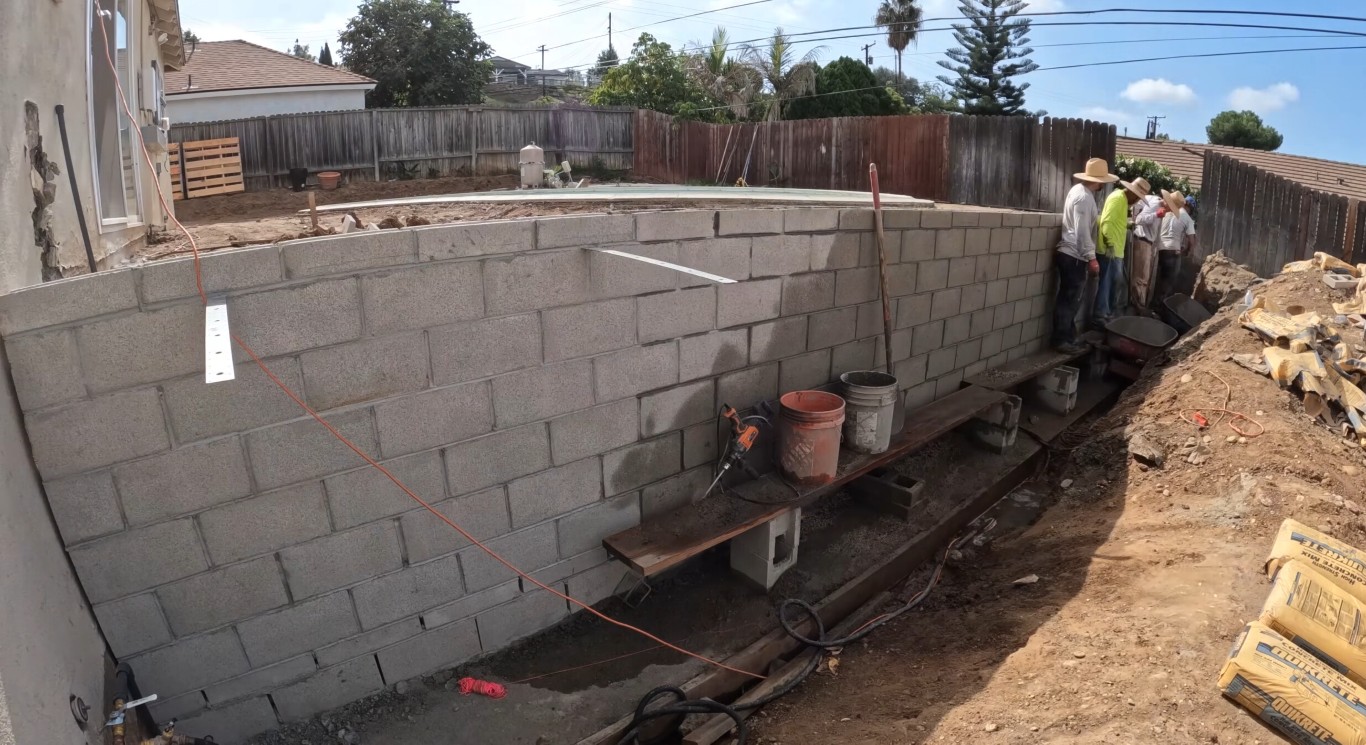
Why Your Property Needs a Quality Retaining Wall
Retaining walls do more than look nice. They solve real problems that affect your property value and usability. Sloped yards wash away soil during heavy rains. Uneven terrain makes it hard to use your outdoor space. Erosion near your foundation can cause serious structural damage. A properly designed retaining wall stops these problems and turns wasted slope into usable yard space.
Many Rochester homeowners need retaining walls but do not realize it until they see damage. Maybe your driveway is settling because soil underneath is washing away. Or your basement floods because water runs toward your foundation instead of away from it. These problems get worse every year, and the repair costs climb. A retaining wall installed now prevents expensive foundation and drainage repairs later.
We design and build retaining walls that last for decades. Whether you need a short decorative wall for a garden bed or a tall structural wall to create a level yard, we engineer solutions that work. Our walls look great and stand up to Rochester weather, soil conditions, and freeze-thaw cycles that destroy poorly built walls.
Types of Retaining Walls We Build
Different situations call for different wall types. We help you choose the right materials and design for your specific needs and budget.
Our Retaining Wall Options
- Natural stone walls: These walls use fieldstone, limestone, or other natural materials for a timeless look. Natural stone walls work beautifully in traditional landscapes and blend with historic homes. They require skilled craftsmanship to build properly but last for generations.
- Concrete block walls: Engineered concrete blocks come in many colors and textures. They install faster than natural stone and cost less for taller walls. Modern blocks look surprisingly natural, with textures that mimic split stone or weathered rock.
- Brick retaining walls: Traditional brick creates a formal appearance that complements brick homes. Brick walls work well for shorter walls and raised planters. They require proper drainage and frost footings to prevent damage.
- Boulder walls: Large natural boulders create rustic, informal walls that look like natural rock outcroppings. These walls work great for steep slopes and naturalized landscapes. Boulder walls need heavy equipment to place the stones correctly.
- Timber walls: Treated lumber creates economical walls for moderate heights. Timber walls work well for garden terraces and informal settings. They last 15 to 25 years before needing replacement.
We also build combination walls that use multiple materials. For example, a stone facing on a concrete block core gives you the beauty of stone with the strength and cost efficiency of block construction. We explain the pros and cons of each option so you can make an informed decision that fits your needs and budget.
Our Retaining Wall Design and Installation Process
Building a retaining wall that lasts requires careful planning and proper construction. We follow engineering principles and local building codes to ensure your wall stands strong for decades.
First, we evaluate your site conditions. We look at soil type, drainage patterns, slope angle, and how much earth your wall needs to hold back. These factors determine what type of wall you need and how deep the foundation must go. We also check for underground utilities and get any required permits before starting work.
Next, we design your wall. For walls over four feet tall, we often work with structural engineers to ensure the design meets code requirements. The design includes proper drainage systems because water pressure behind retaining walls causes most failures. We plan where water will go so it does not build up behind your wall.
Then comes excavation and foundation work. We dig down to solid, undisturbed soil and create a level base. The foundation might be compacted gravel, poured concrete, or solid bedrock, depending on your wall type and height. This foundation work is crucial because walls built on unstable bases will eventually fail.
We build the wall in courses, ensuring each level is perfectly level and plumb. We install drainage systems as we build, not as an afterthought. Perforated drain pipe behind the wall and gravel backfill let water drain away harmlessly. We also build in proper batter, which is the slight backward lean that helps the wall resist soil pressure.
Finally, we backfill carefully with proper drainage material and compact it in lifts. Poor backfilling causes many wall failures. We take time to do it right so your wall stays stable. We also grade the area to direct surface water away from the wall. The result is a beautiful, functional retaining wall that adds value to your property.
Common Retaining Wall Problems and Solutions
Even well-built retaining walls can develop problems over time. Recognizing issues early prevents major failures that require complete wall replacement. Here are the most common problems we see and how we fix them.
Leaning or bowing walls signal serious problems. This happens when water pressure builds up behind the wall or when the foundation was inadequate. Small leans sometimes get corrected by improving drainage. Severe bowing usually requires rebuilding the wall with proper drainage and a stronger foundation.
Cracked or crumbling blocks indicate freeze-thaw damage or excessive pressure. We replace damaged sections and address the underlying causes. Often this involves improving drainage or adding drainage systems that were missing from the original construction.
Settling or sinking walls show that the foundation has failed or soil underneath has washed away. We excavate to stable soil, rebuild the foundation, and reconstruct the wall section properly. Prevention involves proper site grading and drainage to keep water from undermining your wall.
Soil washing out between blocks means the backfill material was wrong or the drainage system failed. We remove affected blocks, install proper filter fabric and drainage material, and rebuild. This prevents continued soil loss that would eventually cause wall failure.
We also repair old walls built without proper drainage. Adding drainage to an existing wall involves careful excavation behind the wall, installing drain systems, and backfilling properly. This extends wall life significantly and prevents future problems. If you need related masonry services, we provide expert brick repair for retaining walls with brick facing. Our patio installation services work perfectly with retaining walls to create beautiful, functional outdoor living spaces.
Frequently Asked Questions About Retaining Walls
Get Your Free Retaining Wall Consultation
Stop erosion and create usable outdoor space with a professional retaining wall. Call us today for a free site evaluation and project estimate.
(507) 738-1309